Why I Started Trusting a Browser Wallet Again — A Hands-On Look at Rabby
Wow! I remember the first time I lost a seed phrase and felt my stomach drop. It was awful, but it taught me to be picky about browser extension wallets. At a glance Rabby feels like one of those rare tools that blends usability with real security, and that first impression stuck with me as I tried the app across multiple chains and dApps. Initially I thought extensions were all the same, but then I noticed subtle UX choices that actually reduced risk.
Whoa! Rabby is a browser extension wallet that focuses on multi-chain support and smarter UI patterns for DeFi users. It won’t dazzle you with glitter, but it shows you relevant risks and gives clearer confirmations than many competitors. On more technical apps, Rabby surfaces allowances, granular approvals, and network-aware warnings in ways that actually cut down on click-happy mistakes, which I appreciate after watching friends accidentally approve infinite allowances. I’m biased, but that safety-first approach is something you start to notice after just a few sessions.
Hmm… The onboarding feels clean and fast. You can import a seed, connect a hardware wallet, or create a fresh account without twenty screens of marketing fluff. Actually, wait—let me rephrase that: there are still choices to make, and Rabby nudges you toward safer defaults while letting experienced users tweak gas settings, manage multiple accounts, and set up per-dApp permissions, which is both flexible and—honestly—welcome. I liked that it explained allowance resets and showed pending transactions in a way that made sense to a non-engineer.
Really? Yes, really — there are thoughtful checks baked in. Rabby integrates hardware wallets like Ledger and Trezor, lets you inspect contract calls before signing, and offers transaction simulation on supported networks. On the other hand, nothing eliminates user error, and while the extension reduces risk, my instinct said keep a small usable hot wallet and store the bulk offline, because if someone phishes your browser they’re in; that part never changes. So it’s a balance between convenience and custody.
Wow! Performance is snappy for a browser plugin. It handles Ethereum, EVM-compatible chains, and some Layer 2s without weird lag or constant reconnections. There were occasional quirks with certain RPC endpoints (somethin’ about chain IDs or node timeouts), but those are often provider issues and can be mitigated by switching to a different node or enabling custom RPC settings… For heavy DeFi users this flexibility is very very important.
Here’s the thing. Rabby’s approvals UI is one of its standout features. It groups allowances, highlights infinite approvals, and gives you quick buttons to revoke or limit them. Initially I thought a revoke button was trivial, but then realized that having it exposed and easy actually changes behavior—people revoke more often when it’s not buried behind menus, which lowers attack surface over time. That behavioral change matters.
Hmm… Integration with popular dApps felt seamless during my tests. Wallet connect flows, signature requests, and transaction previews were clear and timely. On one chain I saw a strange gas estimate that made me pause (oh, and by the way, gas estimations still annoy me), but overall the extension handled nonce management and batched operations pretty cleanly. If you use lots of dApps, Rabby scales well.
Seriously? Yep, Rabby is open-source and maintains a public repo, which is encouraging for transparency. Open code doesn’t equal perfect security, though, and you should still check signatures and verify releases when possible. On one hand community audits reduce risk, though actually there are nuances—were the audits comprehensive, when were they done, and are dependencies up to date—these questions matter for long-term trust. So stay cautious even with open-source tools.
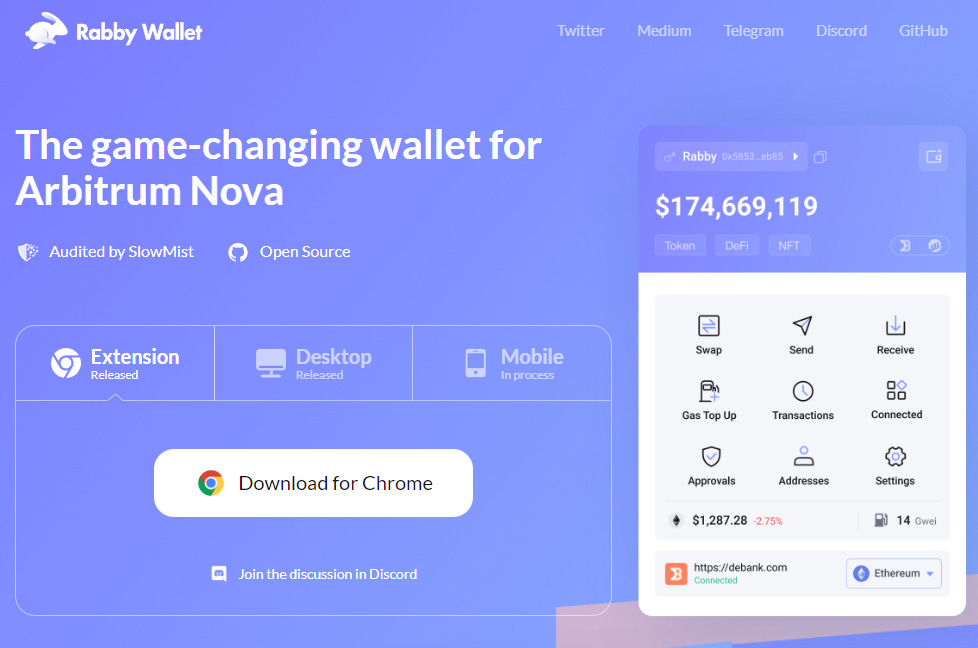
How to try it safely
Okay, so check this out—if you’re ready to try a smarter browser wallet, give rabby wallet a look. Download it from the official source, connect a hardware device if you have one, and start with a small test transaction to get comfortable. Do not paste your seed anywhere and be suspicious of unsolicited pop-ups. My instinct said start small and learn—it’s saved me headaches.
I’m not 100% sure anything will stop every scam, but tools matter. What changed for me wasn’t a magic feature but the subtle nudges that made safer choices easier. There’s still friction; some confirmations feel redundant, and that part bugs me, though I’d prefer a minor annoyance over losing funds. So yes, use tools like Rabby, but practice good habits: hardware backup, ask questions, and keep your main stash offline. Thanks for reading—hope this helps.
FAQ
Is Rabby safe for my main funds?
Wow! Rabby improves the UX around approvals and supports hardware wallets, which does increase safety. That said, no extension is bulletproof—browser risks, phishing, and user mistakes remain real threats. On balance my recommendation is to use Rabby for active DeFi interactions while keeping cold storage for large holdings, and to combine hardware wallets, separate profiles, and cautious habits so you mitigate several attack vectors at once. I’m biased, but that combo has worked for me.